
SIV Training Camp Over the Sea in Ölüdeniz
A 5-day intensive SIV camp from Babadağ takeoffs over the turquoise waters of Ölüdeniz. Learn collapse, stall and spin recovery safely, with boat support, radio guidance and video analysis.
Meet Your Wing's Limits in a Controlled Environment
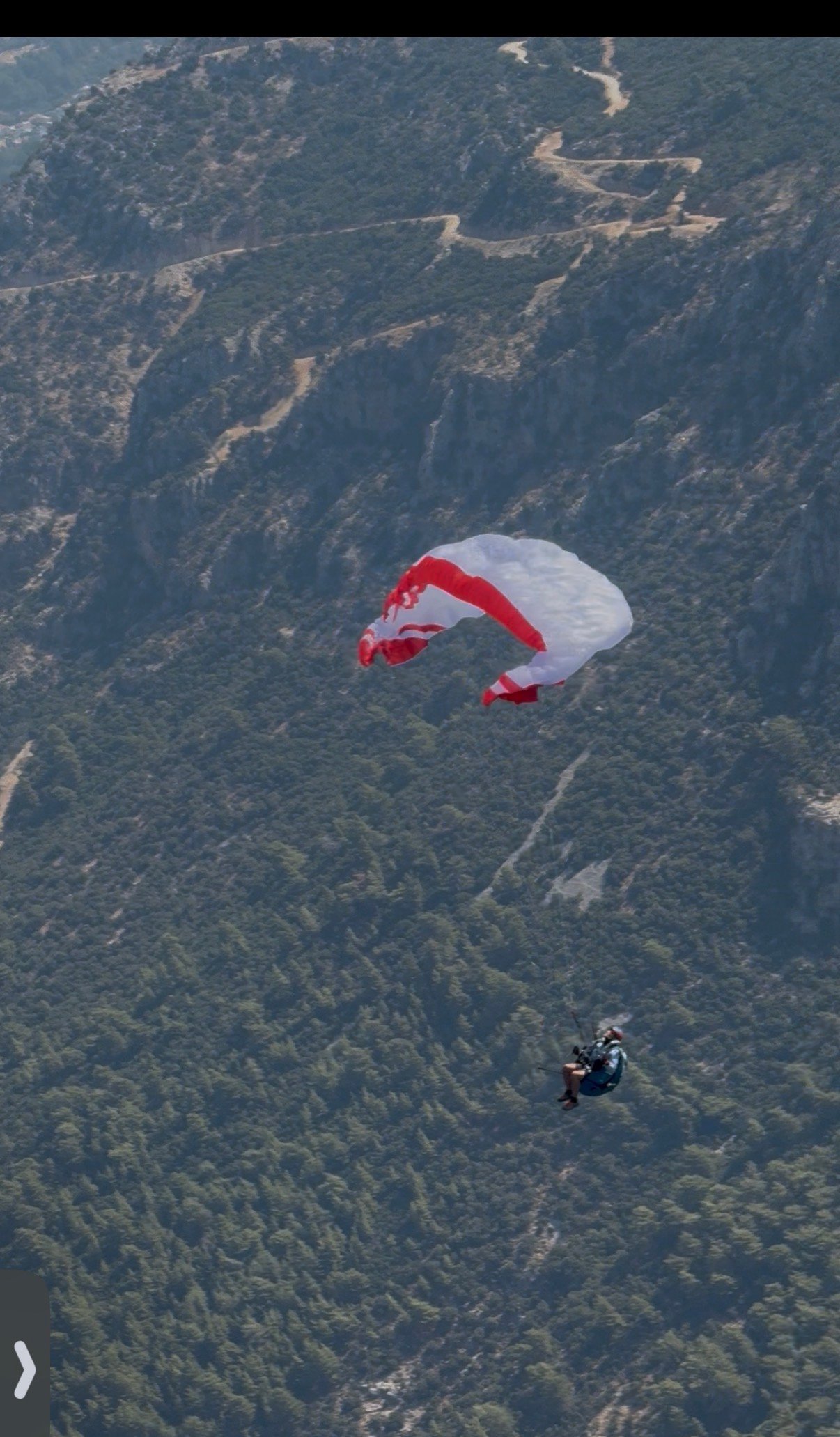
SIV (Simulation d'Incident en Vol) means simulating in-flight incidents in a safe environment. Situations you may one day face in turbulent air, such as collapse, stall and spin, are experienced deliberately over water, under instructor guidance, so your reactions become automatic.
Safety Margin
Practice over water helps pilots recognize collapse behavior and apply recovery procedures under instructor guidance.
Active Piloting
You practice recognizing the wing's pitch and roll movements and damping them with brake timing and weight shift.
Reserve Practice
Reserve deployment decisions and techniques are practiced on the ground and, when included in the program, over water under instructor supervision.
Why Ölüdeniz?
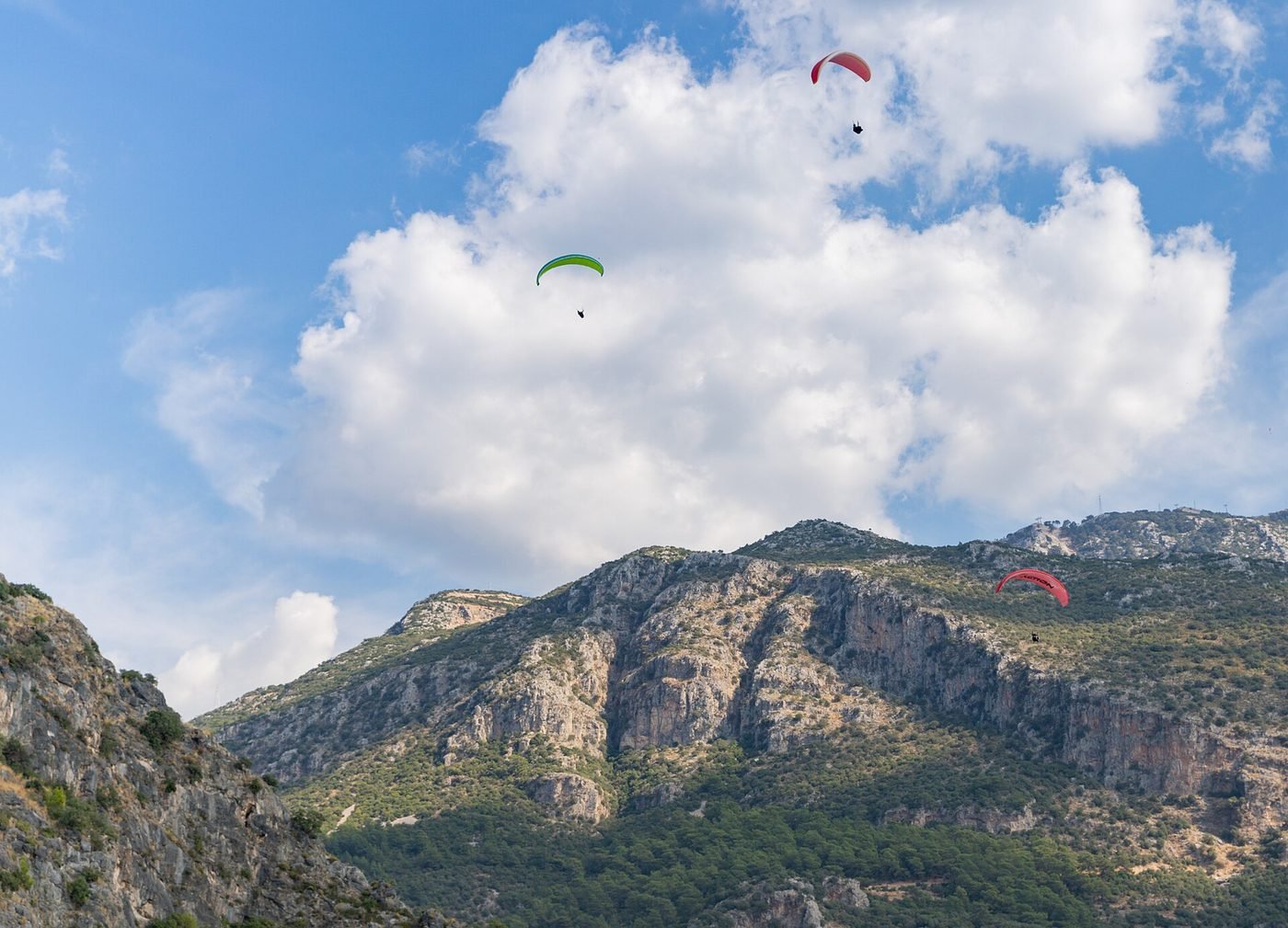
Ölüdeniz (Fethiye) is one of the world's most established paragliding sites, and one of the best places on earth for SIV training.
High Takeoff, Long Working Altitude
Babadağ's 1700m takeoff directly over the sea gives you generous altitude for each maneuver: more attempts per flight, safer recovery windows.
Everything Over Water
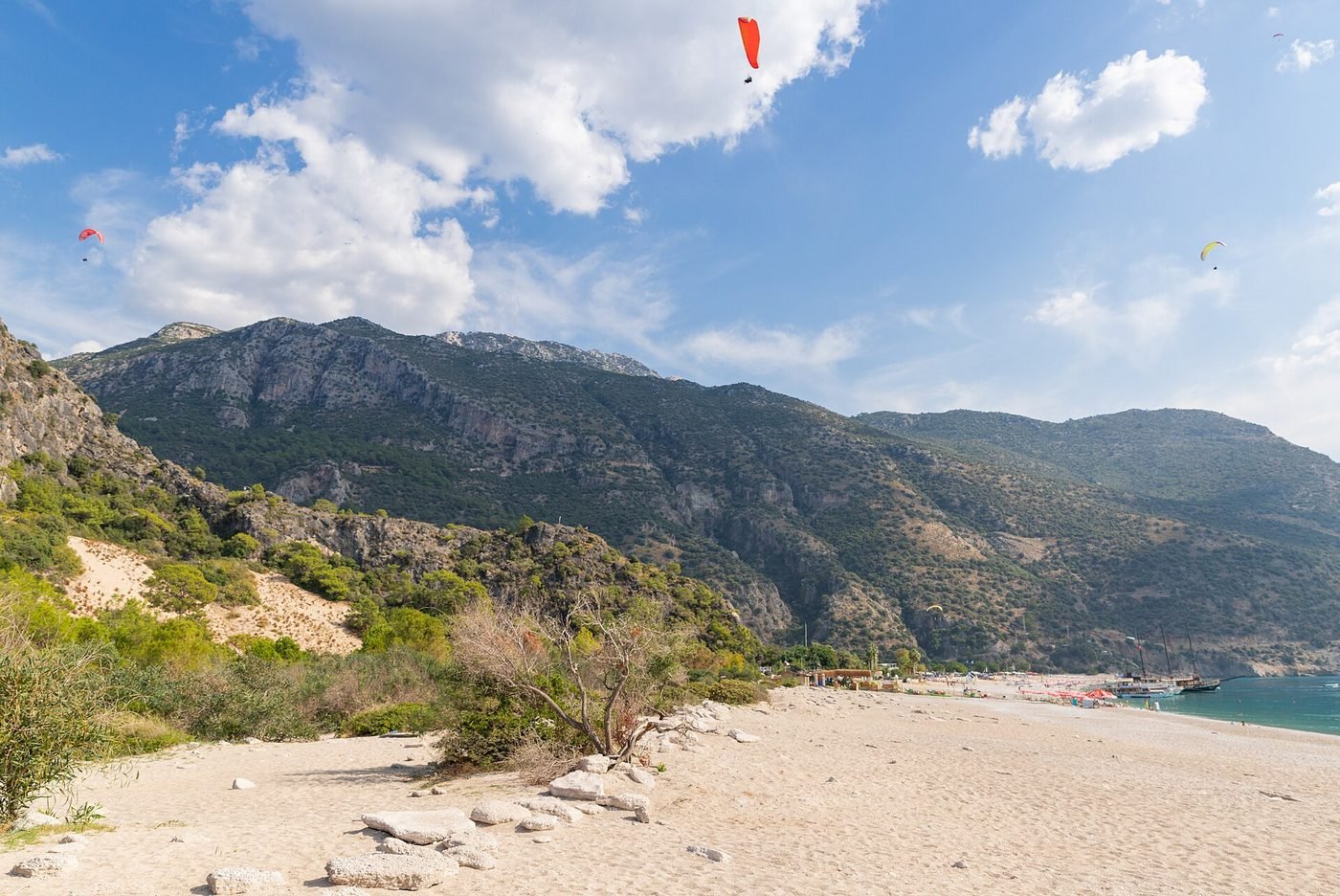
All maneuvers are performed over the bay with rescue boat support. In the worst case, you land on water, not terrain.
Weather-dependent program
The flight program is adjusted according to weather, site conditions and the instructor's safety assessment.
Full Logistics
Takeoff transport, boat crew, radio equipment and video recording are all organized by MagicFly. You only focus on flying.
1700 Meters Above the Blue Lagoon
Every maneuver over turquoise water, every recovery with generous altitude; this is why pilots from all over the world come to Ölüdeniz for SIV.
From Theory to Full Progression
Each day starts with theory and video analysis. The program includes at least 15 sorties over the bay, with maneuver progression tailored to each pilot's level and pace.
Foundations & Wing Control
Collapse physics theory, safety briefing, reserve deployment dry practice. Flights: pitch/roll control, big ears, speed system, controlled 360° turns.
Collapses
Asymmetric collapse theory and video analysis. Flights: 30% and 50% asymmetric collapses, directional control during collapse, light spiral entry and exit.
Frontal Collapse, B-Stall & Spiral
Rapid descent techniques theory. Flights: frontal and accelerated frontal collapse, B-stall, deep stall recognition, controlled spiral dive.
Stall & Spin
Stall types and entry-exit analysis, spin dynamics. Flights: full stall, backfly, stall recovery techniques, spin entry and exit, wingover.
Advanced Recovery & Emergency
Emergency scenarios, autorotation, cravat clearing. Flights: SAT introduction, autorotation recovery, reserve deployment over water, water landing procedure. Closing video analysis and certificates.
32-Maneuver Full Progression
Progression advances step by step from basic wing control to advanced recovery; each maneuver is unlocked only after the previous one is performed safely.
Basic Wing Control
Collapses & Descent Techniques
Stall, Spin & Energy Management
Advanced Recovery & Emergency Procedures
2026 Season
Groups are limited to 6 pilots for safety and individual progression. Contact us for exact dates and availability.
- Calm morning conditions
- Quiet season, flexible planning
- 5 days · 15+ sorties
- Most stable flying conditions
- Warm water, long days
- 5 days · 15+ sorties
- Smooth autumn air
- Coincides with Ölüdeniz Air Games
- 5 days · 15+ sorties
Who Can Join?
- P3 (Beginner Pilot) license or higher is recommended
- Confident, independent takeoff and landing skills
- Own wing and harness in airworthy condition (recent inspection)
- Reserve parachute repacked within the last 6 months
- Basic swimming ability
What We Provide
- Rescue boat and crew throughout all flights
- Radio guidance during every maneuver
- Life jacket and waterproof radio equipment
- Video recording and daily individual analysis sessions
- Babadağ takeoff transport and logistics
Who You Will Fly With
Every SIV flight is guided maneuver by maneuver over the radio and debriefed individually afterwards.
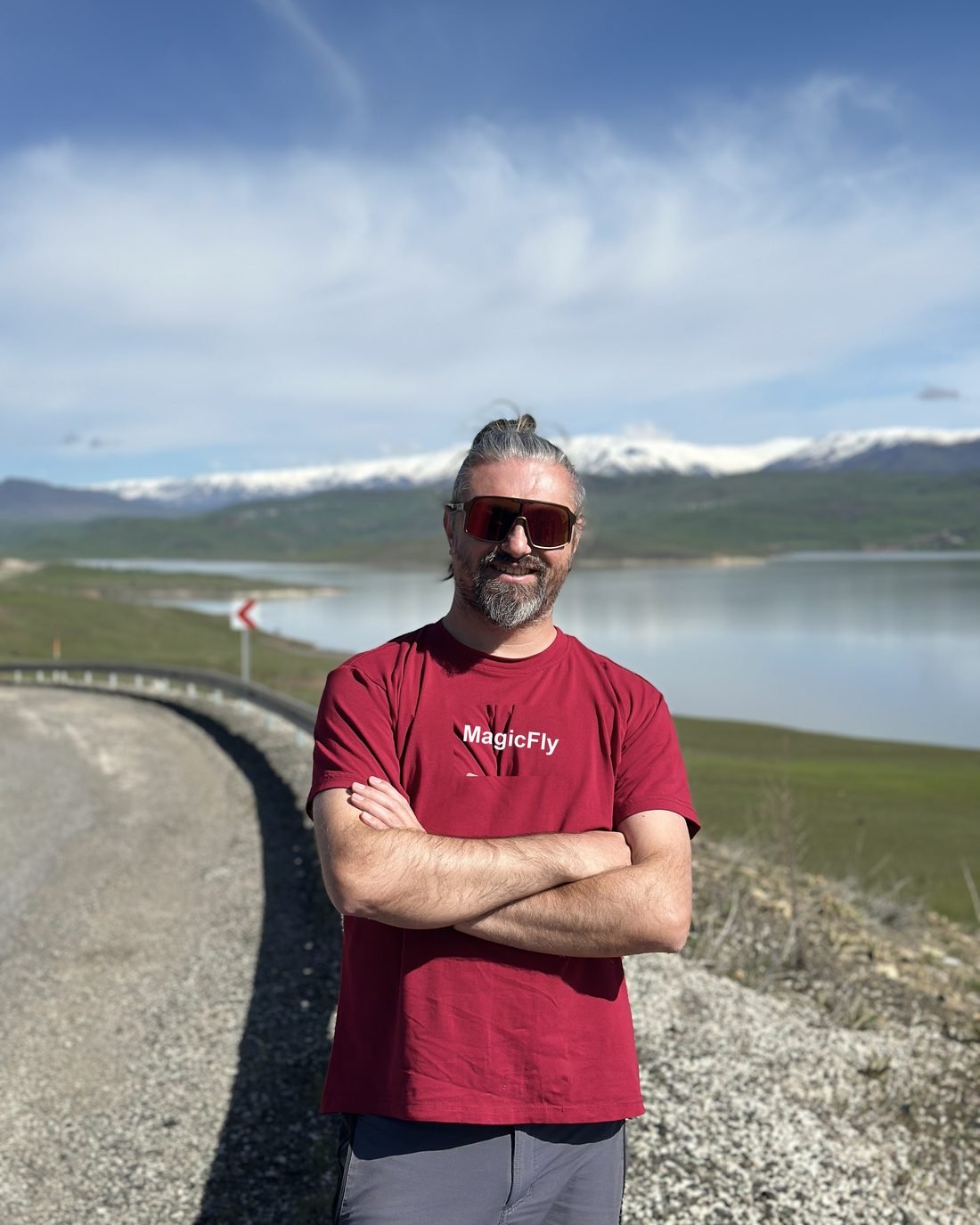
Oğuzkan Sadeer
Competition pilot and paragliding instructor with years of experience across free flight/XC, competition and acro disciplines. All SIV flights are guided maneuver by maneuver over the radio and debriefed individually with video analysis.
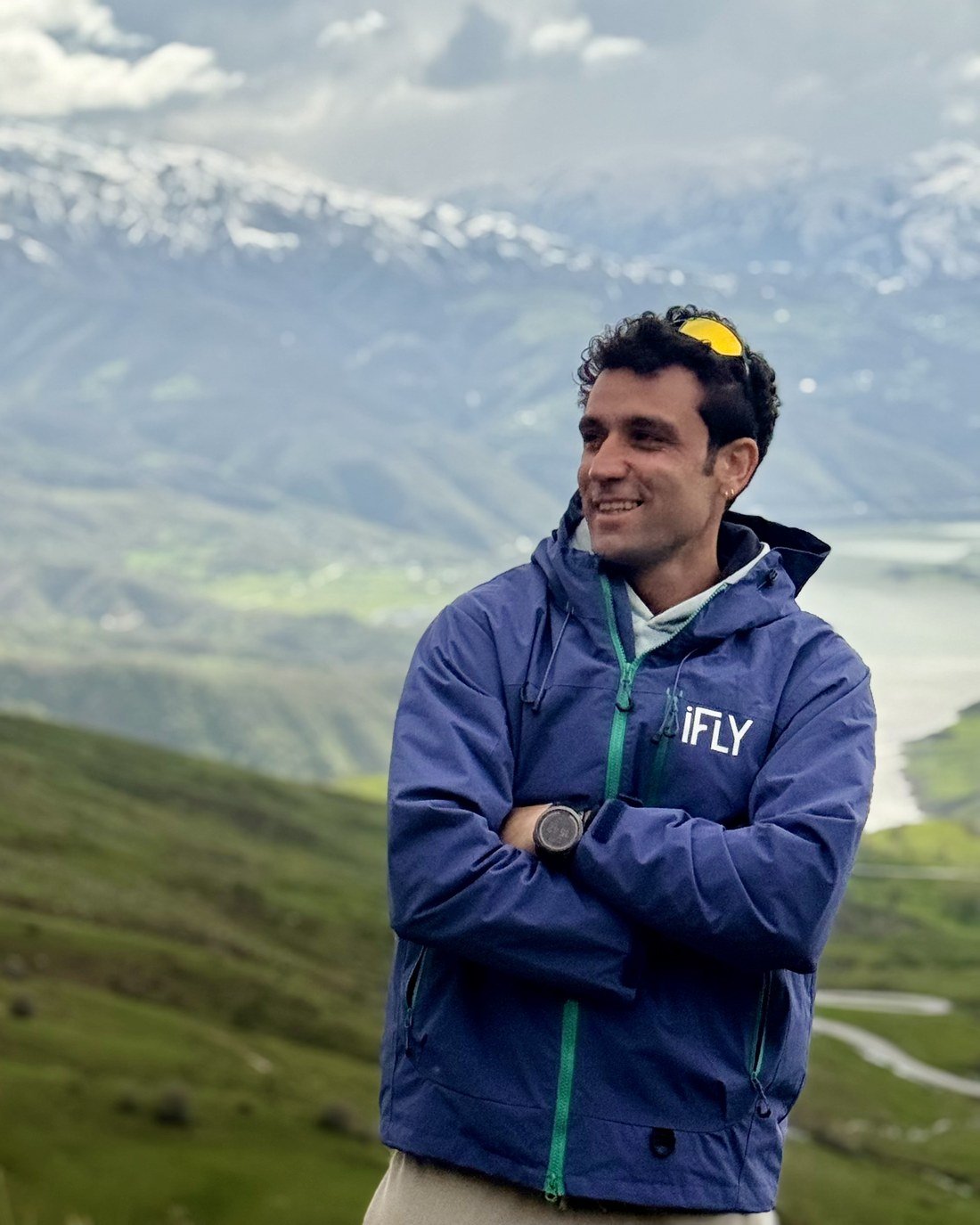
Barış Çelik
Competition pilot, paragliding instructor and Hike & Fly athlete with nearly two decades of experience across XC, distance flying, competition and adventure flying. Training sessions are tailored to each pilot, combining detailed pre-flight briefings, radio-guided coaching and individual post-flight debriefs with video and flight-track analysis.
Reserve Your Spot
Camp groups are kept small (max 6 pilots) for safety and individual attention. Contact us for upcoming camp dates.
Phone / WhatsApp
+90 555 623 39 97Location
Ölüdeniz, Fethiye / Muğla · Babadağ takeoffs